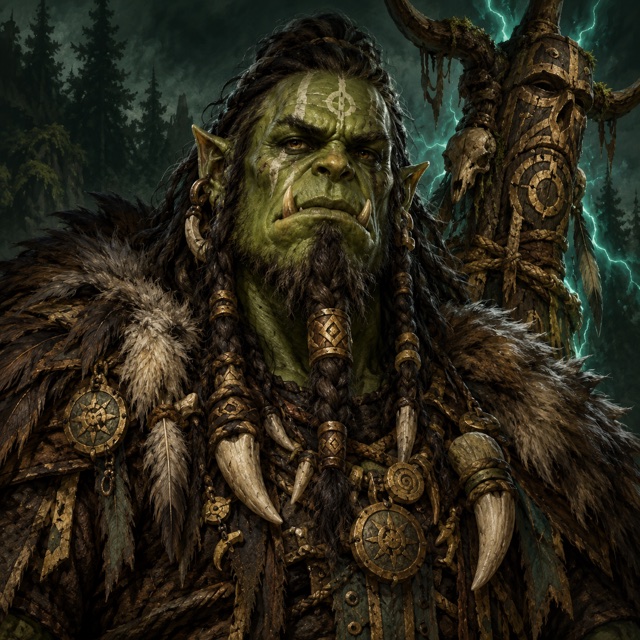
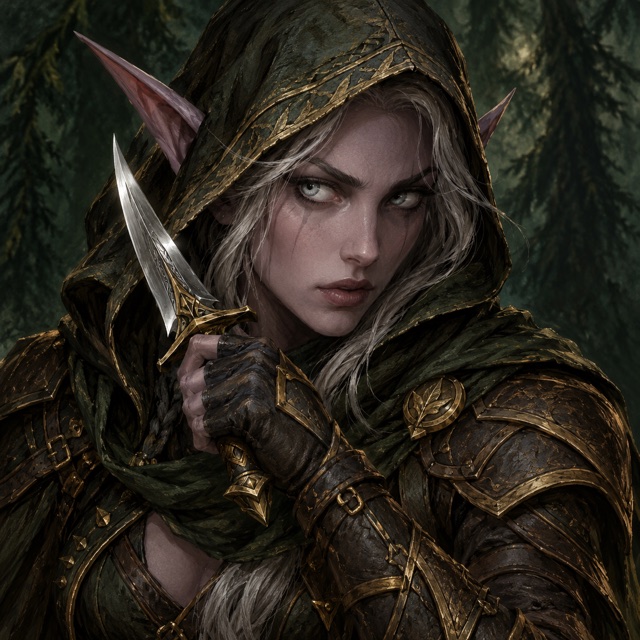
Azeroth Survivors is Aethus’s Warcraft-inspired fan game. Choose a class, survive enemy waves and develop a set of spells during each run. Familiar names such as Priest, Hunter and Mage lead to different ways of dealing damage, recovering health and controlling space.
A useful build connects those choices. Permanent talents can change your starting spell or add a trigger, while items support the part of the plan that needs help. This guide connects the class, spell, talent and equipment references so you can decide what to try next.
Start with the route’s supported skills, check when its key talent arrives and keep an alternative ready. These priorities do not replace the complete class spellbook.
Shadowy Apparitions changes the opening to Shadow Word: Pain at permanent point 21. Shadowform spreading and death bursts arrive at point 31; neither is assumed for a fresh character.
Watch the trade-off
Kill healing and death spread have less fuel against a durable target with no adds.
All 11 Priest spells
These include skills outside the recommended route. Read their effects before replacing a supported spell.
Shadow Dance changes the opener to Backstab only at permanent point 31. Earlier prefixes use the available starter and treat offered Backstab cards as optional.
Watch the trade-off
Cheat Death is a limited recovery trigger, not permission to remain in contact; both main finishers still require melee range.
All 11 Rogue spells
These include skills outside the recommended route. Read their effects before replacing a supported spell.
Seed of Corruption gives the Corruption opening at point 31. Before then, Corruption and Curse of Agony are draft priorities rather than guaranteed opening spells.
Watch the trade-off
Spread and death bursts depend on kills; the plan has no measured superiority over direct-damage or demon routes.
Summon Water Elemental changes the opening to Frostbolt at permanent point 31. Before that, Frostbolt must actually be available; the route does not assume a capstone pet at low budgets.
Watch the trade-off
Blizzard remains where it is placed, and a front-facing Cone of Cold does not cover enemies behind you.
Divine Favor grants the Holy Shock opening at permanent point 11, not on a fresh zero-point character. The selected secondary talents do not add a competing starting-spell milestone.
Watch the trade-off
Light's Grace adds a periodic Holy Wrath; it does not remove the need to reach enemies safely with the surrounding burst.
All 11 Paladin spells
These include skills outside the recommended route. Read their effects before replacing a supported spell.
Its below-30%-health hit supplies a finisher when kills slow down; this plan does not include Sweeping Strikes.
When the route comes together
Bladestorm is selected at permanent point 31. Before then, Whirlwind is not a promised starting spell; Rampage first supplies kill-triggered free spins at point 11.
Watch the trade-off
Whirlwind and Bloodthirst need nearby targets. Recurring casts do not make standing inside a pack safe.
All 11 Warrior spells
These include skills outside the recommended route. Read their effects before replacing a supported spell.
Force of Nature supplies Moonfire as the opening spell and two treants at point 31. Earlier prefixes support the ordinary Wrath opening and offered Balance spells; they do not assume treants.
Watch the trade-off
Moonfire needs time to tick; Starfall is a separate recurring Starfire, not an effect that makes every Moonfire tick cast it.
All 12 Druid spells
These include skills outside the recommended route. Read their effects before replacing a supported spell.
Choose the talent that changes the part of the run you want to improve.
Turn a route into your own talent plan.
Open a build at the points you own, inspect each rank and adjust the allocation. The planner checks prerequisites and branch spending, then gives you a link you can keep or share.
Start with a recommended route when you want an order to follow. Start blank when you want to explore the connections yourself.
Start at the creator’s wow.aethus.pl page for browser play and its Windows download link. Browser play needs WebGPU and a usable graphics adapter. Our download guide explains extraction and the practical options for different devices.
Our S/A/B tier list rates the overall strength of nine solo builds at 31 permanent talent points, weighing pack clearing, durable targets, recovery and how reliably the route starts. Classes within a tier are not ordered. These are editorial judgments from verified mechanics, not measured DPS or clear rates; follow each linked point plan and its trade-offs.
A route prioritizes spells that its talents support; it is not the class’s full spell list. Each class panel includes the whole spellbook, and the Builds directory separates recommended priorities from all available reference entries. Priorities are choices to look for, not a guaranteed cast sequence.
No. The 10, 20, 30, 40 and 51-point checkpoints describe permanent talent allocations. Use the budget you actually own in the planner. A later talent may change your starting spell, so a completed route should not be treated as a fresh character’s opener.
Match the effect to the problem: cooldowns for long gaps between attacks, damage-over-time support for ticking spells, or recovery when incoming damage is ending attempts. The armory separates these item effects from permanent equipment and its star progression.
Start with the symptom. A graphics initialization error, unavailable server and failed archive extraction have different causes. Check the original game address and browser graphics support before reinstalling or changing stored progress.
Use the game’s Options → Saves → Export Save and keep that file separately. Export any progress at the destination before importing, because importing replaces progress rather than merging it. Keep the original backup until you have checked the restored game.


 Shadow Word: Pain
 Smite
 Mind Blast
 Mind Flay
 Power Word: Shield
 Renew
 Devouring Plague
 Psychic Scream
 Holy Nova
 Holy Fire
 Lightwell